Homeowners Insurance
Geo depth: Class AHomeowners insurance protects a house and its contents against covered perils such as fire, wind, and theft, and typically includes liability protection if someone is injured on the property. Mortgage lenders generally require proof of homeowners coverage for as long as a home loan is outstanding.
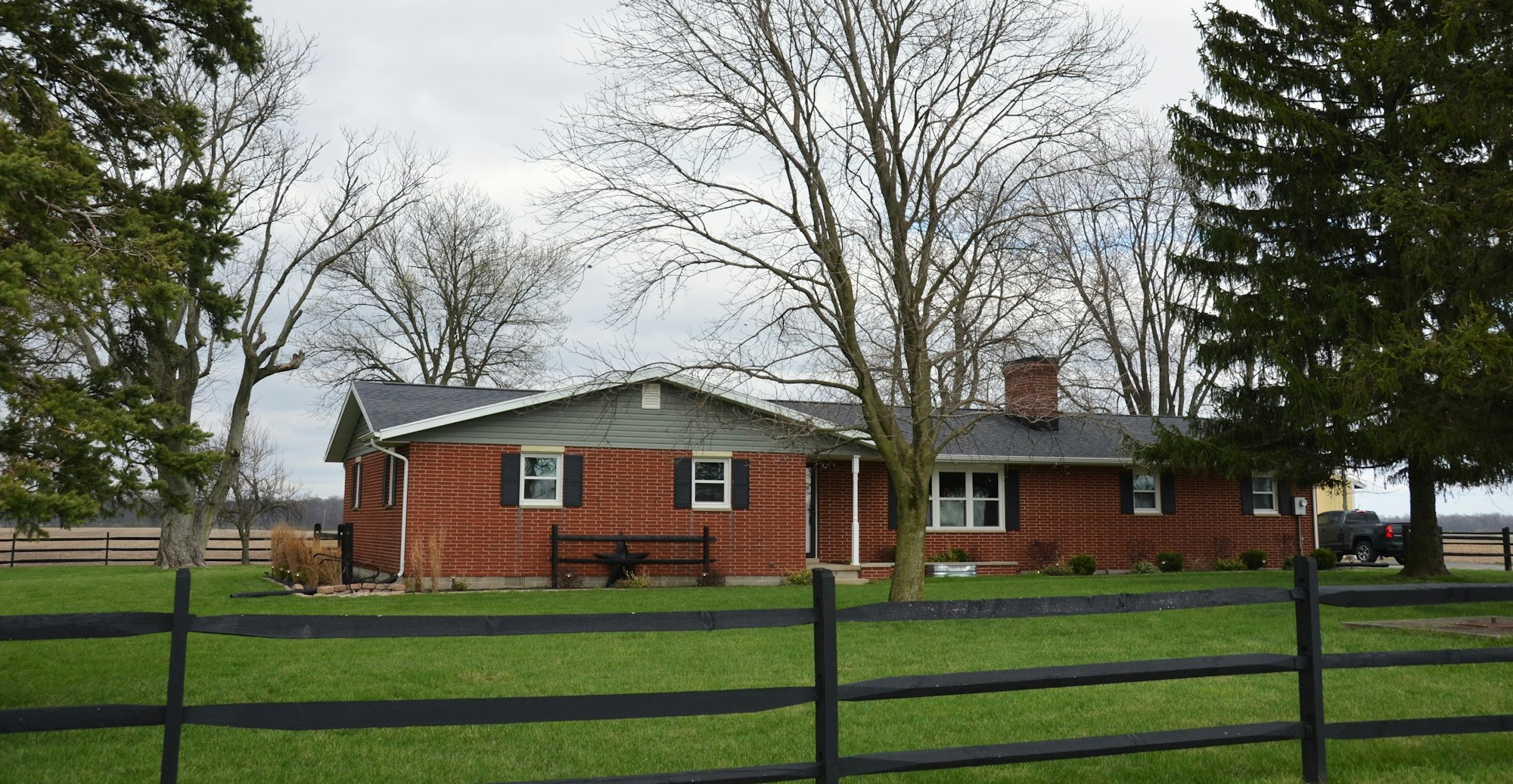
What is homeowners insurance?
Break open a standard homeowners policy and you'll find five coverage parts: dwelling (the structure itself), other structures (like a detached garage or fence), personal property (belongings), loss of use (temporary living expenses if you can't live in the home after a covered loss), and personal liability.
Standard homeowners policies generally exclude certain perils outright — most notably flood damage and, in many regions, earthquake damage — which typically require a separate policy. Mortgage lenders almost always require proof of homeowners coverage for as long as the loan is outstanding.
What affects your homeowners insurance cost
Typical costs vary significantly by state, provider, and personal factors — {{VERIFY: national average homeowners insurance premium not yet sourced}}. Rather than a single number, the factors below are what actually move your quote up or down.
- Home's age, construction type, and roof condition
- Location and regional risk exposure (wildfire, hail, wind, crime)
- Dwelling coverage amount (based on rebuild cost, not market value)
- Deductible amount, including any separate wind/hail or hurricane deductible
- Claims history on the property and the homeowner
- Safety and mitigation features (security systems, updated wiring/plumbing, roof age)
- Credit-based insurance score, in states that permit its use in rating
How to compare homeowners insurance providers
Price is only one part of the decision. Before choosing a provider, compare each of the following side by side:
- Coverage limits, and exactly what's included or excluded
- Deductible options and how a higher or lower deductible changes the premium
- Financial strength ratings from an independent rating agency (e.g., AM Best, S&P, Moody's) — an indicator of an insurer's ability to pay future claims
- Customer service and claims-handling reputation, including complaint-ratio data where a state Department of Insurance publishes it
- Available discounts and bundling options
- Confirmation that the carrier is licensed to write this coverage in your state
- Confirm whether dwelling coverage is written on an actual-cash-value or replacement-cost basis
- Ask what perils are explicitly excluded, especially flood and earthquake
Related calculators
Explore homeowners insurance by state
Coverage requirements and licensed carriers for homeowners insurance vary by state. Here are a few popular starting points, or browse the full state directory below.
Browse all 50 states
- Alabama
- Alaska
- Arizona
- Arkansas
- California
- Colorado
- Connecticut
- Delaware
- Florida
- Georgia
- Hawaii
- Idaho
- Illinois
- Indiana
- Iowa
- Kansas
- Kentucky
- Louisiana
- Maine
- Maryland
- Massachusetts
- Michigan
- Minnesota
- Mississippi
- Missouri
- Montana
- Nebraska
- Nevada
- New Hampshire
- New Jersey
- New Mexico
- New York
- North Carolina
- North Dakota
- Ohio
- Oklahoma
- Oregon
- Pennsylvania
- Rhode Island
- South Carolina
- South Dakota
- Tennessee
- Texas
- Utah
- Vermont
- Virginia
- Washington
- West Virginia
- Wisconsin
- Wyoming
Homeowners Insurance FAQ
Is homeowners insurance legally required?
No state government requires homeowners insurance the way most states require auto liability coverage. In practice, though, a mortgage lender will almost always require it for as long as you have a home loan.
Does homeowners insurance cover flood damage?
Flood damage is excluded from virtually all standard homeowners policies and requires a separate flood insurance policy, typically through the National Flood Insurance Program or a private flood insurer.
What's the difference between actual cash value and replacement cost coverage?
Actual cash value pays the depreciated value of damaged property, while replacement cost coverage pays what it costs to repair or replace it with similar new materials, without a deduction for depreciation. Replacement-cost coverage generally costs more but pays out more after a loss.
How much dwelling coverage do I need?
Dwelling coverage should generally reflect what it would cost to rebuild your home at current local construction costs — that's not the same as its market value or purchase price. {{VERIFY: local rebuild-cost estimation methodology}} — a licensed agent or contractor can help estimate this for your specific home.
Ready to see homeowners insurance options?
Compare providers side by side using the factors above, then see options tailored to your state and situation.
Please note: Path to Insure is not an insurance company and does not sell, bind, or issue policies. We help you understand your options and find your path to a licensed insurer who can confirm actual coverage, terms, and pricing. We may be compensated when you use a partner link. Read our full disclaimer.